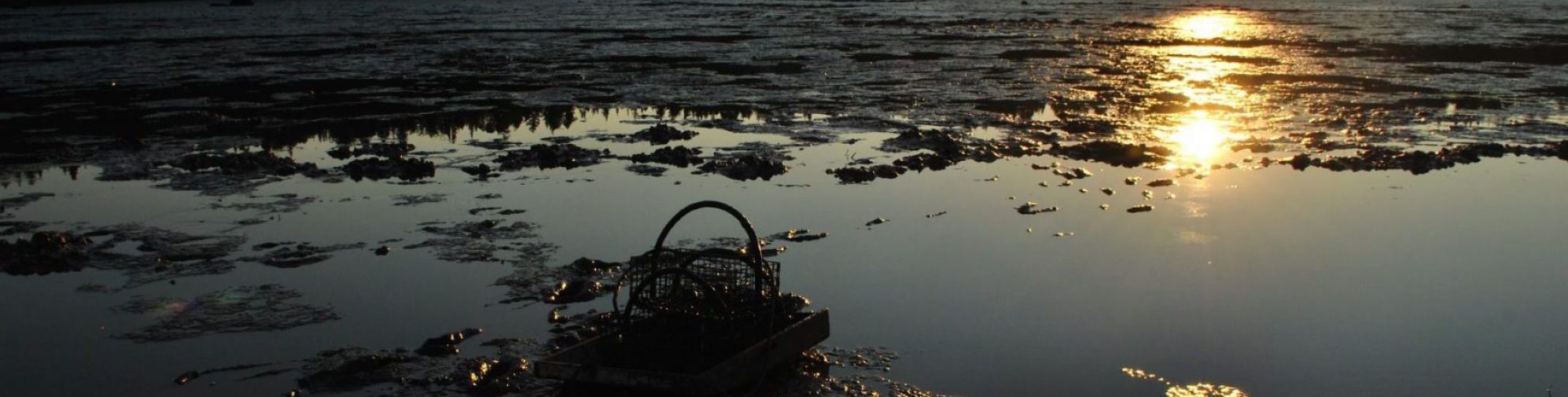
Moneskatik (Ma-na-ska-deeg) translates to clam place, literally the places where clams are dug in the Passamaquoddy Maliseet languages. It also used to reference the area now known as Bar Harbor. The Maine coast has many clam places, both past and present and this page features stories about people and their relationships with these clam places. We are still adding to these stories and profiles, so please reach out if you have additions or would like to work with us to include a description for your project.
Click on each title below for more information about the project:
2023 / Ongoing
– Shellfish Management Workshops
– Maine Shellfish Co-Management Initiative
2022
–Lubec: Soft-shell clam wildstock enhancement
–Penobscot: Recruitment and settlement experiments
–Sipayik: Increasing mudflat productivity in Passamaquoddy Bay
2021
–Bristol : DNA testing to determine the source of contamination of the Pemaquid River
-Gouldsboro: Clam reseeding and shellfish lab
-Thomaston: Georges River resilience project
2020
–Bar Harbor: Clam population enhancement
-Brunswick: A collaborative approach to bolster quahog populations
–East Machias: Identify the source of contaminating coliforms on clam flats
–Freeport: Sustaining shoreline access for shellfish harvesting
–Frenchman Bay: Clam seeding and clam flat resiliency
–Gouldsboro: Development and study of supports for municipal seed clam production
-Harpswell: Tidal upweller experiment to enhance natural quahog population
-Islesboro Soft-shell clam restoration project
–Soft-shell clam recruitment monitoring network
–Surry: Patten Bay pollution and shellfish stock assessment
2019
–Damariscotta: Interdisciplinary Approach to Restoration
–Deer Isle and Stonington: Water quality testing to re-open clam flats
 The Mudflat